
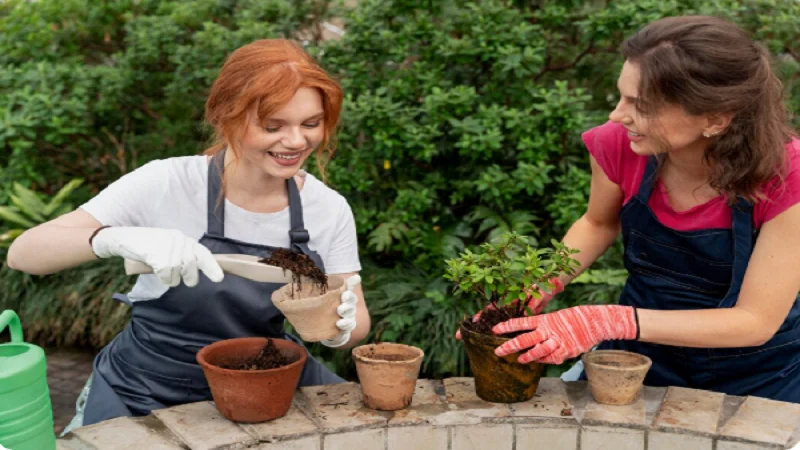
A garden is more than an outdoor space; it is an extension of your home and a place where comfort, beauty, and nature meet. Whether you have a large backyard, a small patio, or even a balcony, thoughtful garden design can transform it into a relaxing and functional area. This article shares practical ideas inspired by decoradhouse garden tips by decoratoradvice, focusing on simple, clear, and useful guidance that anyone can follow. The goal is not perfection, but creating a garden that feels welcoming, balanced, and easy to maintain.
Understanding Your Garden Space
Before planting or decorating, it is important to understand the space you are working with. Every decoradhouse garden tips by decoratoradvice has unique characteristics that influence what will grow and how the space should be arranged.
Observe Sunlight and Shade
Spend a few days noticing how sunlight moves across your decoradhouse garden tips by decoratoradvice. Some areas may receive full sun, while others remain shaded for most of the day. Knowing this helps you choose the right plants and decide where seating or pathways should go.
Check Soil and Drainage
Healthy soil is the foundation of a successful garden. Test whether your soil drains well or holds water for too long. Simple improvements like adding compost or organic matter can greatly improve soil quality without much effort.
Measure and Plan
Take basic measurements of your garden. Even a rough sketch helps you visualize where plants, furniture, and walkways might fit. Planning ahead prevents overcrowding and makes the decoradhouse garden tips by decoratoradvice more enjoyable in the long run.
Choosing the Right Plants
Plant selection plays a major role in the overall look and health of your garden. The right mix of plants creates visual interest while keeping maintenance manageable.
Start with Native and Adapted Plants
Native plants are usually easier to care for because they are adapted to local weather and soil conditions. They often need less water and are more resistant to pests.
Mix Sizes and Textures
Combine tall plants, medium shrubs, and low ground covers to add depth. Mixing different leaf shapes and textures creates a natural and appealing look, even when flowers are not in bloom.
Plan for All Seasons
Choose plants that offer interest throughout the year. Some may bloom in spring, others in summer, while evergreen plants keep the garden lively in winter. This approach ensures your garden never feels empty.
Garden Layout and Structure
A well-organized layout makes a garden both beautiful and practical. Structure gives the space a sense of order and flow.
Create Clear Pathways
Paths guide movement and protect plants from being stepped on. Gravel, stepping stones, or simple paved paths work well and are easy to maintain.
Define Zones
Divide your garden into small zones such as a seating area, planting beds, and open space. This makes the garden feel organized and allows each area to serve a clear purpose.
Use Vertical Space
Walls, fences, and trellises can support climbing plants or hanging pots. Vertical gardening is especially useful in small spaces and adds visual interest without taking up ground space.
Simple Garden Decoration Ideas
Decoration does not have to be expensive or complicated. Small details can make a big difference.
Choose Natural Materials
Wood, stone, and clay blend well with plants and create a calm, natural feel. These materials age gracefully and fit most garden styles.
Add Lighting Thoughtfully
Soft lighting can transform a garden in the evening. Solar lights along paths or near seating areas provide safety and ambiance without high energy use.
Keep It Balanced
Avoid overcrowding the garden with too many decorative items. A few well-chosen pieces, such as a bench or a planter, are more effective than many small objects.
Maintaining a Healthy Garden
Regular care keeps your decoradhouse garden tips by decoratoradvice looking its best and prevents small problems from becoming big ones.
Water Wisely
Water early in the morning or late in the afternoon to reduce evaporation. Deep, less frequent watering encourages strong root growth.
Prune and Clean Regularly
Remove dead leaves, faded flowers, and damaged branches. This not only improves appearance but also promotes healthier plant growth.
Control Weeds Naturally
Mulching helps keep weeds under control while improving soil health. Hand-pulling weeds regularly is simple and avoids the need for harsh chemicals.
Seasonal Garden Guidelines
Each season brings different needs and opportunities in the garden. Adjusting your care routine throughout the year keeps the space thriving.
Spring Preparation
Spring is the time to clean up winter debris, prepare soil, and plant new growth. Adding compost and checking tools sets a strong foundation for the year.
Summer Care
In summer, focus on watering, mulching, and protecting plants from extreme heat. Shade cloths or strategic planting can help sensitive plants survive hot days.
Autumn Maintenance
Autumn is ideal for pruning, planting perennials, and preparing the garden for colder months. Fallen leaves can be composted or used as mulch.
Winter Protection
Protect plants from frost with covers or mulch. Winter is also a good time to plan changes and improvements for the next growing season.
Sustainable Gardening Practices
Sustainability benefits both your decoradhouse garden tips by decoratoradvice and the environment. Small choices can make a meaningful difference.
Composting at Home
Composting kitchen scraps and garden waste reduces waste and creates nutrient-rich soil. It is a simple practice that supports plant health.
Saving Water
Collecting rainwater and using efficient irrigation methods helps conserve water. Drip irrigation and soaker hoses deliver water directly to plant roots.
Encouraging Wildlife
Birds, bees, and beneficial insects support a healthy garden ecosystem. Planting flowers that attract pollinators and providing small water sources can help wildlife thrive.
Common Garden Mistakes to Avoid
Learning what not to do is just as important as learning best practices.
Overplanting
Planting too closely can lead to competition for nutrients and space. Always consider the mature size of plants.
Ignoring Maintenance Needs
Choose plants that fit the amount of time you can realistically spend on care. A low-maintenance decoradhouse garden tips by decoratoradvice is easier to enjoy.
Forgetting About Growth
Plants change over time. Leave room for growth so your garden does not feel crowded after a few seasons.
Creating a Personal Garden Style
Your garden should reflect your personality and lifestyle. There is no single right way to design a garden.
Keep It Comfortable
Comfortable seating and shaded areas encourage you to spend more time outdoors. A garden should be a place to relax, not just admire.
Stay Flexible
decoradhouse garden tips by decoratoradvice evolve naturally. Be open to adjusting layouts, replacing plants, and trying new ideas as you learn what works best.
Enjoy the Process
Gardening is a journey. Mistakes and experiments are part of the experience, and each season brings new lessons.
Conclusion
A thoughtful garden design combines planning, creativity, and regular care. By understanding your space, choosing the right plants, and following simple maintenance routines, you can create a garden that feels both beautiful and practical. The ideas shared here, inspired by decoradhouse garden tips by decoratoradvice, show that gardening does not need to be complicated to be rewarding. With patience and care, your garden can become a peaceful retreat that grows and improves year after year.
Learn more: https://housedecorad.org/