
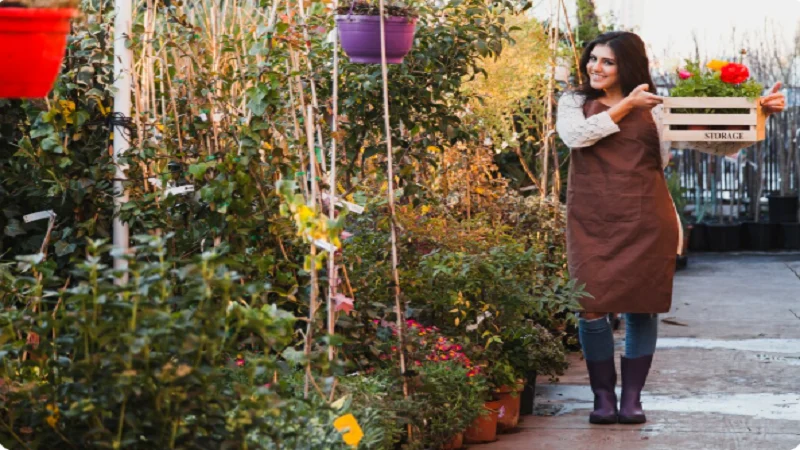
A garden is more than a patch of soil with plants. It is a place to relax, to connect with nature, and to express creativity. Whether you have a large backyard, a small front lawn, or a compact balcony, thoughtful planning and simple care can turn any green space into something beautiful and useful. This article shares practical ideas inspired by garden tips decoradhouse to help beginners and experienced gardeners alike create a healthy, attractive garden without stress or high costs. The focus is on clear guidance, easy methods, and long-lasting results.
Table of Contents
ToggleUnderstanding Your Garden Space
Before planting or decorating, it is important to understand the space you have.
Observe Sunlight and Shade
Spend a few days noticing how sunlight moves across your garden. Some areas may get full sun, while others stay shaded most of the day. This information helps you choose plants that will thrive naturally instead of struggling.
Check Soil Quality
Healthy soil is the foundation of a successful garden. Test whether your soil drains well or stays muddy after watering. Adding compost can improve most soil types and support strong plant growth.
Measure the Area
Knowing the size of your garden tips decoradhouse helps you plan properly. Overcrowding plants can reduce airflow and increase disease, while spacing them well keeps everything healthier and easier to maintain.
Planning Your Garden Layout
Good planning saves time and effort later.
Choose a Simple Design
Start with a clear layout. Straight paths, defined beds, and grouped plants make the garden easier to care for. Complex designs may look attractive but often require more maintenance.
Group Plants by Needs
Place plants with similar water and sunlight needs together. This makes watering more efficient and reduces the chance of overwatering or underwatering certain plants. Many experienced gardeners follow this method as part of garden tips decoradhouse to keep gardens balanced and manageable.
Leave Room to Grow
Plants often look small when planted, but many grow wider and taller over time. Giving them enough space prevents crowding and keeps your garden looking neat.
Choosing the Right Plants
Selecting suitable plants makes gardening more enjoyable.
Native and Climate-Friendly Plants
Plants that naturally grow in your region usually need less water and care. They are also more resistant to local pests and weather conditions.
Mix of Functional and Decorative Plants
Combine flowering plants with herbs, shrubs, or vegetables. This creates visual interest while also providing fresh produce or pleasant scents.
Seasonal Variety
Choose plants that bloom or look attractive in different seasons. This ensures your garden stays appealing throughout the year instead of only for a short time.
Watering Wisely
Watering is essential, but it must be done correctly.
Water at the Right Time
Early morning or late afternoon is the best time to water. This reduces evaporation and helps plants absorb moisture effectively.
Avoid Overwatering
Too much water can harm roots and cause diseases. Check the soil before watering; if it feels moist a few inches below the surface, watering can wait.
Use Simple Tools
A watering can, hose with a spray nozzle, or drip system can help control the amount of water used and reduce waste.
Garden Decoration Ideas
Decoration adds personality and comfort to your garden.
Natural Materials
Use stones, wood, and clay pots for a calm, natural look. These materials blend well with plants and age gracefully over time.
Pathways and Borders
Simple pathways made of gravel or stepping stones guide movement and protect plants from being stepped on. Borders help define areas and make the garden look organized.
Small Accents
Birdbaths, benches, or simple lanterns can add charm without clutter. According to garden tips decoradhouse, choosing a few meaningful decorations works better than filling the space with many items.
Caring for Plants Regularly
Consistent care keeps your garden healthy.
Pruning and Trimming
Remove dead or damaged leaves and branches regularly. This encourages new growth and improves air circulation.
Weeding
Weeds compete with plants for water and nutrients. Removing them early makes the task easier and keeps the garden tidy.
Feeding Plants
Use compost or natural fertilizers to replenish nutrients in the soil. This supports steady growth and strong roots.
Creating a Relaxing Garden Atmosphere
A garden should feel peaceful and welcoming.
Seating Areas
Add a simple bench or chair where you can sit and enjoy the space. Place it in a shaded or quiet corner for comfort.
Sound and Movement
Plants that rustle in the wind or attract birds and butterflies bring life to the garden. Water features, even small ones, can add soothing sounds.
Balanced Colors
Choose a color palette that feels calming or cheerful. Too many contrasting colors can feel overwhelming, while a balanced mix creates harmony.
Sustainable Gardening Practices
Sustainability benefits both the garden and the environment.
Composting
Kitchen scraps and garden tips decoradhouse waste can be turned into rich compost. This reduces waste and improves soil health naturally.
Rainwater Collection
Collecting rainwater for irrigation saves resources and provides plants with chemical-free water.
Reduce Chemical Use
Natural pest control methods, such as encouraging beneficial insects, help maintain a healthy ecosystem. Many gardeners following garden tips decoradhouse prefer eco-friendly solutions for long-term success.
Common Gardening Mistakes to Avoid
Learning from common mistakes can save time and frustration.
Planting Without Research
Always check a plant’s needs before planting. Some plants may look attractive but require care that does not match your conditions.
Ignoring Maintenance
Even low-maintenance gardens need attention. Regular checks prevent small problems from becoming big ones.
Overdecorating
Too many decorations can distract from the natural beauty of plants. Keep décor simple and purposeful.
Simple Guidelines for a Successful Garden
-
Start small and expand gradually
-
Choose plants suited to your climate
-
Water and feed plants consistently
-
Keep the layout clean and organized
-
Use decoration to enhance, not overpower
-
Focus on sustainability and natural balance
These guidelines help create a garden that is both beautiful and easy to manage.
Conclusion
Gardening is a rewarding activity that combines patience, creativity, and care. With thoughtful planning, proper plant selection, and simple maintenance, any space can become a refreshing outdoor retreat. By following practical ideas and steady routines, your garden will grow healthier and more attractive over time. The approach shared here, inspired by garden tips decoradhouse, shows that gardening does not need to be complicated or expensive to be successful. A calm, well-cared-for garden can offer joy, relaxation, and a closer connection to nature for years to come.
Learn more: https://housedecorad.org/