
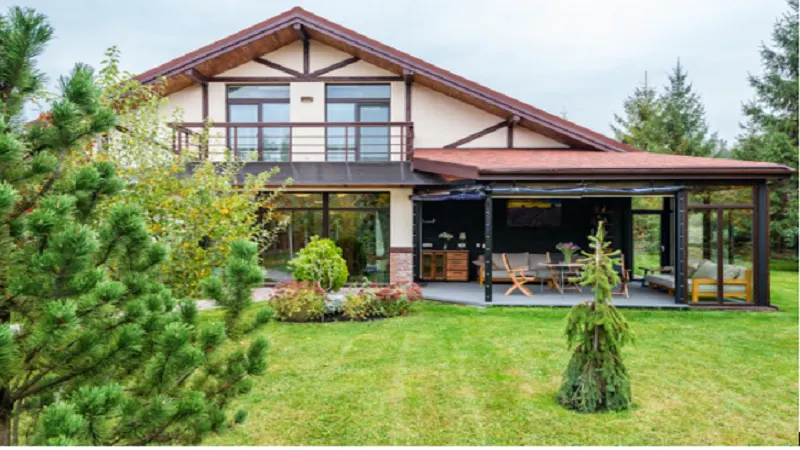
Many homes look great in photos but don’t feel comfortable to live in. You might have a well-decorated space, good furniture, and a clean layout, yet something still feels off. That usually comes down to small details people ignore. Things like lighting, noise, airflow, and how easily you move through a room shape your daily experience more than expensive upgrades. Comfort is not about adding more—it’s about making your space work better for you. When these details are right, your home feels easier to live in without much effort. This guide focuses on the practical changes that make a real difference, so you can enjoy your space instead of constantly adjusting to it.
Outdoor Spaces That Feel Usable Every Day
Many people have patios or decks but only use them from time to time. The main issue is usually comfort. Too much sun, extra heat, or no overhead cover can make outdoor spaces hard to enjoy for long. Adding shade can change that. It helps create a more comfortable area for reading, eating, or spending time with family. Some homeowners consider options like awnings and patio covers, especially when they want a balance between flexibility and long-term coverage. As you explore these choices, you may start asking yourself, awnings vs. patio covers: Which outdoor shade solution is right for you?
Thinking through that choice helps you create a setup that fits your space, budget, and weather needs. When an outdoor area feels comfortable, it becomes easier to use it more often and treat it like part of your home.
Lighting That Matches How You Live
Lighting plays a bigger role than most people realize. A room with poor lighting can feel tiring even if everything else looks good. Many homes rely on one bright ceiling light, which often creates harsh shadows and an uncomfortable feel. A better approach is to use different light sources based on how you use the space. Softer lighting works well for relaxing areas like living rooms and bedrooms, while brighter light suits kitchens and work areas. Natural light also matters, so keep windows clear when possible. Simple changes like adding a lamp or switching to warmer bulbs can improve the mood of a room without much effort or cost.
Temperature That Stays Consistent Throughout the Home
Uneven temperature is one of the most common comfort issues. One room may feel too warm while another stays cold, which makes it hard to relax. This often happens because of blocked vents, poor airflow, or gaps around windows and doors. Start by checking if air can move freely through each room. Avoid placing furniture in front of vents, and keep doors open when possible. Ceiling fans can help distribute air more evenly without much cost. Sealing small gaps around windows also makes a difference over time. You don’t always need a new system. Small adjustments can create a more balanced and comfortable environment throughout your home.
Reducing Noise That Disrupts Everyday Comfort
Noise affects comfort more than people expect. Constant background sounds from outside traffic, neighbors, or even inside the house can make it hard to relax. Hard surfaces like tile floors and bare walls can also make rooms feel louder than they are. To improve this, add soft materials that absorb sound. Rugs, curtains, and upholstered furniture can reduce echo and create a quieter space. Pay attention to where noise comes from and address it directly. For example, sealing small gaps around doors can block outside sounds. A quieter home feels calmer and more controlled, which makes everyday activities like resting or working much easier.
Storage That Keeps Everyday Clutter Under Control
Clutter builds up quickly when storage doesn’t match your daily habits. Even a clean home can feel stressful if items don’t have a clear place. The goal is not to hide everything but to make storage easy to use. Keep frequently used items within reach and store less-used items out of the way. Avoid complicated systems that take effort to maintain, because they won’t last. Simple solutions like baskets, shelves, or drawer organizers often work best. When everything has a place, you spend less time moving things around and more time enjoying your space. A well-organized home feels lighter and easier to manage every day.
Fresh Air That Keeps the Space Comfortable
Air quality has a direct impact on how a home feels. Stale air can make rooms feel heavy and uncomfortable, even if everything looks clean. Good airflow helps maintain freshness and balance temperature. Opening windows when possible allows fresh air to circulate and removes trapped odors. In spaces without good ventilation, simple solutions like exhaust fans or air purifiers can help. Regular cleaning also plays a role, since dust and buildup affect air quality over time. Indoor plants can improve how a space feels, but they work best alongside proper ventilation. When air moves well and feels clean, the entire home becomes more comfortable to live in.
Personal Touches That Make the Space Feel Right
A home should reflect how you live, not just follow trends. Personal touches make a space feel natural and comfortable. This does not mean filling every corner with décor. It means choosing items that you actually use or enjoy. Photos, books, or simple objects with meaning can make a space feel more connected to you. At the same time, avoid overcrowding. Too many items can make a room feel busy and harder to maintain. Keep what adds value to your daily life and remove what doesn’t. When your home reflects your habits and preferences, it feels easier to relax and spend time in it.
A comfortable home is not created by big changes alone. It comes from small, practical details that improve how you live each day. Lighting, layout, airflow, and simple fixes all play a role in shaping your experience. When these elements work well, your home feels easier to use without extra effort. You don’t need to change everything at once. Start by noticing what feels inconvenient or uncomfortable and address it step by step. Over time, these small improvements add up. The result is a home that supports your routine, feels balanced, and makes everyday living more enjoyable. See More