
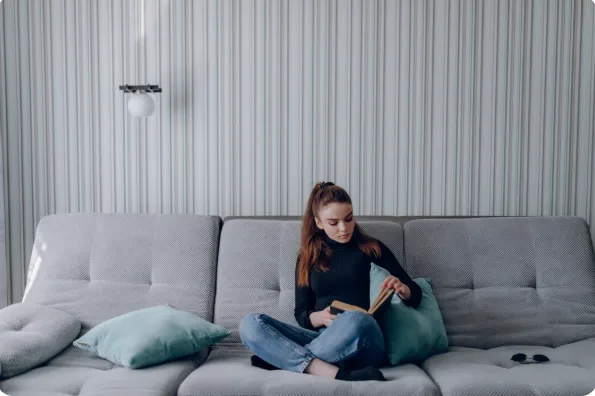
Modern lifestyles have changed how people think about comfort, design, and everyday living. Homes, offices, and public spaces are no longer just places to stay or work—they are environments that influence well-being, productivity, and relaxation. Today, people want spaces that feel calm, practical, and visually pleasing at the same time.
This is where the concept of contemporary comfort mipimprov comes into focus. It represents a modern approach to designing spaces that balance style, functionality, and personal comfort. Instead of focusing only on appearance, this idea combines smart design, practical furniture, efficient layouts, and soothing environments.
In recent years, designers and homeowners have begun to appreciate simple living, natural materials, and organized spaces that improve everyday life. The goal is not to create luxury for show, but to create comfort that genuinely improves how people feel in their surroundings.
This article explains the meaning of contemporary comfort, how it influences modern spaces, and practical ways to apply these ideas in homes and workplaces.
Table of Contents
ToggleUnderstanding Contemporary Comfort
Contemporary comfort refers to a modern design philosophy that prioritizes ease, simplicity, and functionality while maintaining an attractive appearance. Unlike traditional styles that may emphasize decoration or historical elements, contemporary comfort focuses on the present moment and current lifestyle needs.
Spaces designed with this approach often include:
-
Clean and simple layouts
-
Comfortable and functional furniture
-
Neutral or calming color palettes
-
Natural lighting and open areas
-
Minimal clutter and better organization
The concept of contemporary comfort mipimprov blends these ideas into a lifestyle approach that encourages people to design spaces that support their daily routines and emotional well-being.
Comfort in modern design is not only physical. It also includes mental and visual comfort. A peaceful environment can reduce stress, improve focus, and create a sense of balance.
Key Principles of Modern Comfort Design
To understand how contemporary comfort works, it is helpful to explore the core principles that guide this style.
1. Simplicity and Minimalism
One of the most important ideas in modern comfort design is simplicity. Too many objects, decorations, or colors can make a space feel overwhelming. Minimalism focuses on keeping only what is useful or meaningful.
A simple space often feels more relaxing because the mind is not distracted by unnecessary items. Clean surfaces, organized storage, and uncluttered rooms help create a calm environment.
2. Functional Furniture
Furniture plays a major role in comfort. In contemporary design, furniture should be both stylish and practical.
Examples include:
-
Sofas designed for proper support
-
Adjustable office chairs
-
Multi-purpose tables or storage units
-
Beds designed for better sleep posture
The focus is on usability. Furniture should support daily activities without making spaces feel crowded.
3. Natural Light and Open Spaces
Lighting strongly affects mood and energy levels. Modern spaces often prioritize large windows, open layouts, and natural light.
Natural light makes rooms feel larger, brighter, and more welcoming. It also improves productivity and helps regulate sleep patterns.
Open spaces also encourage better movement and flexibility in how rooms are used.
4. Neutral and Calming Colors
Color choices influence emotions. Contemporary comfort design often uses neutral tones such as:
-
White
-
Beige
-
Soft gray
-
Light earth tones
These colors create a peaceful atmosphere and allow furniture or art pieces to stand out without overwhelming the room.
Soft accent colors can be added through cushions, rugs, or wall art to bring personality to the space.
The Role of Materials and Textures
Materials are another important aspect of comfortable modern design. Natural and high-quality materials often make spaces feel warmer and more inviting.
Common materials used in contemporary comfort design include:
-
Wood
-
Cotton
-
Linen
-
Stone
-
Glass
-
Metal accents
These materials create a balance between warmth and modern style.
Textures also play a key role. For example, combining a soft rug, smooth wooden furniture, and comfortable cushions adds depth to a room without adding clutter.
The idea behind contemporary comfort mipimprov is to mix materials thoughtfully so the environment feels balanced and natural.
Technology and Smart Living
Modern comfort is also influenced by technology. Smart home features have become an important part of contemporary living.
Some common examples include:
-
Smart lighting systems
-
Temperature control devices
-
Automated window blinds
-
Voice-controlled assistants
-
Energy-efficient appliances
These technologies make daily life easier and help create a more comfortable living environment.
For example, smart lighting can adjust brightness based on time of day, while automated temperature systems maintain a pleasant indoor climate.
Technology, when used wisely, enhances comfort rather than distracting from it.
Creating Comfortable Workspaces
Comfort is not limited to homes. Work environments also benefit from modern comfort principles.
Many organizations now recognize that workspace design affects employee productivity and well-being.
A comfortable workspace may include:
-
Ergonomic chairs and desks
-
Proper lighting
-
Quiet zones for focus
-
Relaxation areas
-
Natural plants and greenery
These elements help reduce stress and increase concentration.
The philosophy behind contemporary comfort mipimprov can also apply to offices by creating environments where people feel motivated and relaxed while working.
The Importance of Personalization
Although contemporary comfort emphasizes simplicity, it does not mean spaces should feel empty or impersonal.
Personal touches help create emotional connections with a space. These may include:
-
Family photos
-
Artwork
-
Handmade decorations
-
Books or collectibles
-
Travel souvenirs
The key is balance. Personal items should enhance the environment without creating clutter.
A well-designed space reflects the personality and lifestyle of the person who uses it.
Benefits of Contemporary Comfort in Daily Life
Adopting modern comfort design can provide several benefits.
Improved Mental Well-Being
Calm and organized environments reduce stress and promote relaxation. Simple surroundings allow the mind to rest.
Better Productivity
A comfortable and organized space helps people stay focused on tasks. This is especially important for remote workers or students.
Enhanced Physical Comfort
Ergonomic furniture and thoughtful layouts support better posture and movement.
Greater Flexibility
Modern design often allows rooms to serve multiple purposes. For example, a living room may also function as a workspace or reading area.
Long-Term Practicality
Simple and functional designs are easier to maintain and adapt as lifestyle needs change.
Practical Tips for Applying Contemporary Comfort
Anyone can begin applying these ideas without completely redesigning their home.
Here are a few practical steps:
Declutter Your Space
Start by removing unnecessary items. Keep only what you regularly use or truly value.
Improve Lighting
Use natural light whenever possible. Add soft lighting such as floor lamps or warm LED lights to create a relaxing atmosphere.
Choose Comfortable Furniture
Select furniture that supports your body and fits the size of your room.
Add Natural Elements
Plants, wooden furniture, or stone decorations can make spaces feel more connected to nature.
Use Soft Textiles
Rugs, curtains, cushions, and blankets add warmth and comfort to a room.
Organize Storage
Hidden storage solutions help maintain clean and open spaces.
These small changes can significantly improve the overall comfort of a living environment.
The Future of Comfortable Living
Design trends continue to evolve, but the demand for comfortable and functional spaces is expected to grow.
Future living environments may include:
-
More sustainable materials
-
Energy-efficient buildings
-
Advanced smart home systems
-
Flexible spaces that adapt to different activities
People are increasingly aware of how their surroundings affect their mental and physical health. As a result, the ideas behind contemporary comfort will likely become even more important.
The concept of contemporary comfort mipimprov reflects this shift toward thoughtful living, where design supports well-being and everyday convenience.
Conclusion
Modern lifestyles require spaces that support both comfort and practicality. Contemporary design focuses on simplicity, functionality, and emotional well-being rather than excessive decoration.
By using clean layouts, comfortable furniture, natural materials, and thoughtful lighting, anyone can create environments that feel calm and welcoming.
Whether applied in homes or workplaces, the principles of contemporary comfort encourage people to design spaces that truly support their daily lives.
Ultimately, comfortable living is not about luxury or expensive decoration. It is about creating spaces that feel peaceful, organized, and meaningful. When design focuses on people’s real needs, the result is a balanced environment that improves everyday life.
Learn more: https://housedecorad.org/