
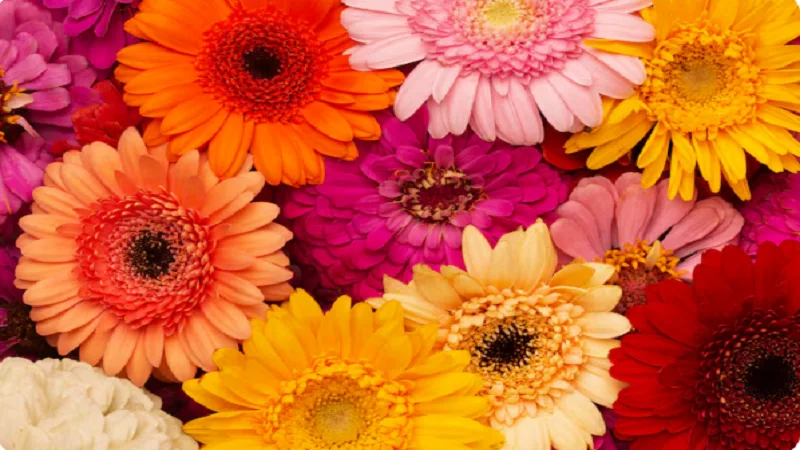
Flowers have always fascinated humans because of their beauty, structure, and ecological importance. Among the many lesser-known floral forms, the boylecheloid flower stands out due to its unique morphology and scientific relevance. While it may not be as popular as roses or orchids, this flower type has gained attention in botanical studies for its structural characteristics and adaptive features. This article provides a simple, informative, and well-structured overview to help readers understand its meaning, features, growth conditions, and importance in nature.
Understanding the Concept of Boylecheloid Flower
The term boylecheloid is mainly used in botanical and morphological contexts. It refers to a flower form that exhibits a rounded, compact structure, often resembling a shallow bowl or dome. This shape allows the reproductive parts of the flower to remain well-protected while still being accessible to pollinators.
The boylecheloid flower is not a single species but rather a descriptive category used to classify flowers with similar structural traits. Botanists often use such terms to better understand plant evolution and adaptation rather than to label a specific plant.
Morphological Characteristics
One of the defining aspects of this flower type is its shape. The floral organs are arranged in a way that creates a cohesive and balanced appearance.
Key Structural Features
-
Compact floral arrangement: Petals and sepals are closely arranged, forming a unified structure.
-
Central reproductive organs: Stamens and pistils are typically positioned toward the center, making pollination efficient.
-
Protective design: The rounded form helps shield delicate reproductive parts from harsh environmental conditions such as wind or heavy rain.
These characteristics allow the flower to function effectively in diverse habitats.
Natural Habitat and Distribution
Flowers described under this category can be found in various climates, depending on the plant species they belong to. Many thrive in temperate regions, while others adapt well to tropical or subtropical environments.
Environmental Preferences
-
Moderate sunlight exposure
-
Well-drained soil
-
Stable temperature conditions
Because the structure helps reduce moisture loss and physical damage, plants with this flower type often adapt well to regions with variable weather patterns.
Role in Pollination
Pollination is one of the most important biological processes for flowering plants. The shape of a boylecheloid-type bloom plays a crucial role in attracting and supporting pollinators.
The compact form provides a stable landing platform for insects such as bees and butterflies. At the same time, the central placement of pollen and nectar encourages effective pollen transfer. This efficient design increases the chances of successful reproduction and seed formation.
Ecological Importance
Plants with this floral structure contribute significantly to ecosystems. They support pollinator populations and help maintain biodiversity.
Ecological Benefits
-
Support for insects and small pollinators
-
Contribution to plant diversity
-
Stabilization of local ecosystems
The boylecheloid flower form demonstrates how plant structures evolve not only for survival but also to support surrounding life forms.
Growth and Care Guidelines
While not all plants with this flower type are cultivated, some are grown in gardens or botanical collections. Understanding basic care principles can help maintain healthy growth.
Soil Requirements
-
Loose, well-draining soil
-
Moderate organic matter content
Watering
-
Regular but controlled watering
-
Avoid waterlogging, which can damage roots
Light Conditions
-
Bright, indirect sunlight is ideal
-
Some species tolerate partial shade
Temperature and Climate
-
Mild to moderate temperatures
-
Protection from extreme frost or heat
By following these general guidelines, gardeners can encourage healthy flowering and plant longevity.
Seasonal Behavior
Flowering time varies depending on the species. Some bloom in spring, while others may flower in summer or early autumn. The shape of the flower helps it remain intact throughout its blooming period, even during fluctuating weather conditions.
Once pollination occurs, the flower gradually transitions into seed or fruit development, completing its life cycle.
Cultural and Scientific Significance
Although not widely recognized in popular culture, this flower form holds value in scientific research. Botanists study it to understand evolutionary trends and plant morphology.
In educational settings, it is often used as an example to explain how flower structure relates to function. This makes it an important teaching tool in plant biology and ecology.
Comparison With Other Flower Forms
Unlike flat or tubular flowers, the boylecheloid structure offers a balance between accessibility and protection. Flat flowers may expose reproductive organs too much, while tubular flowers can limit the range of pollinators. This intermediate design allows for adaptability across different environments.
The boylecheloid flower structure highlights how even subtle differences in form can have a significant impact on a plant’s survival and reproduction.
Common Misconceptions
Some people assume that this term refers to a rare or exotic species. In reality, it is a descriptive classification rather than a specific plant. Others believe it requires complex care, but most plants with this flower type follow standard gardening practices.
Understanding these facts helps clear confusion and encourages appreciation of botanical diversity.
Importance in Botanical Studies
Morphological classifications help scientists group plants based on shared characteristics. Studying this flower type allows researchers to trace evolutionary relationships and understand how plants adapt to environmental pressures.
The boylecheloid flower serves as an example of how structure and function work together in nature.
Conclusion
Flowers come in countless shapes and forms, each serving a specific purpose in nature. The boylecheloid flower type represents a well-balanced floral structure that supports efficient pollination, environmental protection, and ecological stability. Though not a single species, it plays an important role in botanical science and education.
By understanding its features, habitat preferences, and ecological value, readers can gain a deeper appreciation for plant diversity and the subtle complexities of flower morphology. This knowledge not only enriches scientific understanding but also fosters respect for the natural world around us.
Learn more:https://housedecorad.org/